
Diving the Coron WWII Wrecks: What's Down There and Who It's For
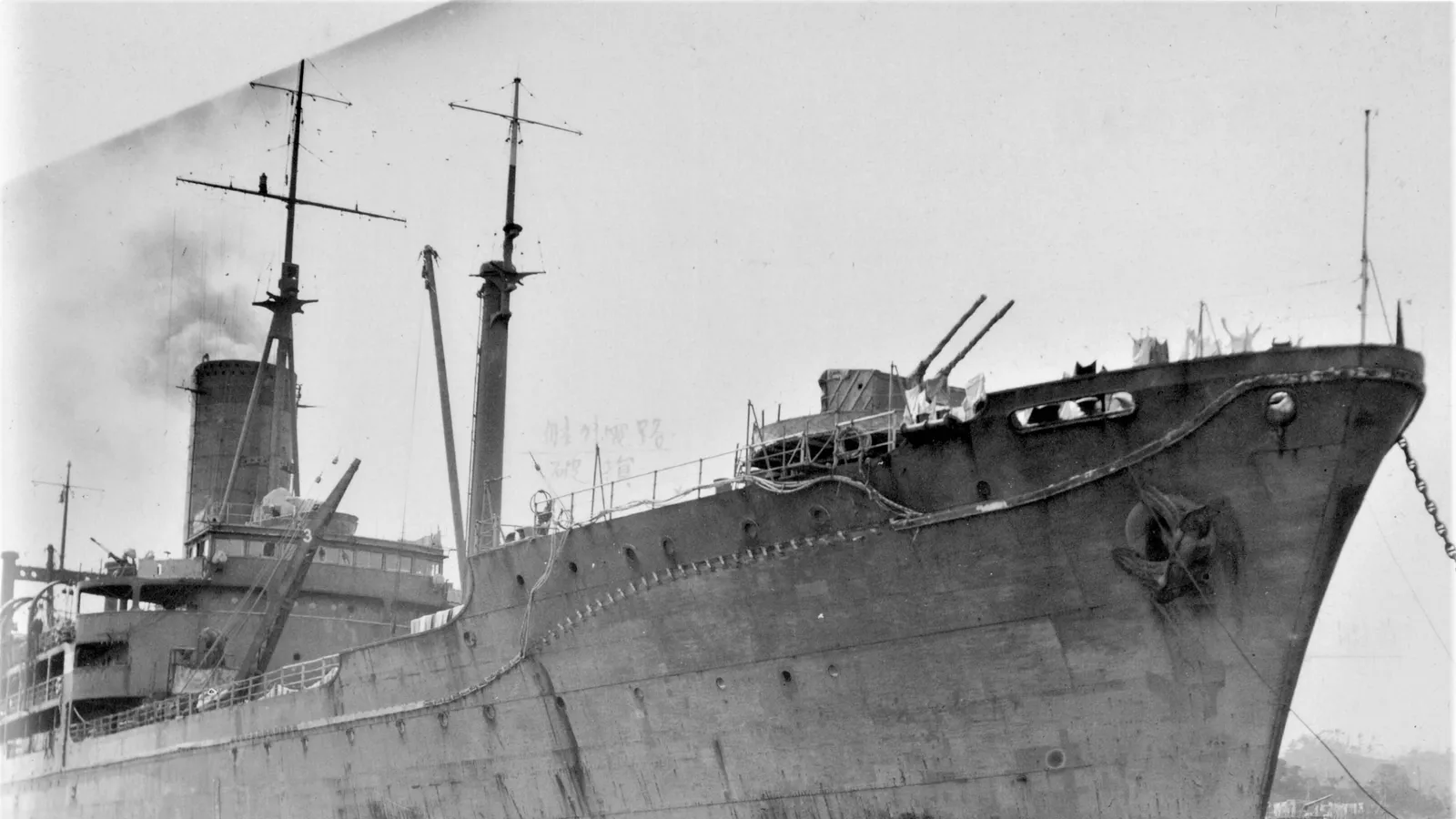
On 24 September 1944, US carrier aircraft caught a Japanese supply fleet sheltering in Coron Bay and put a dozen ships on the bottom in a single morning. Eighty years on, that fleet is one of the world's great wreck-diving grounds: a compact cluster of large, largely intact ships at recreational depths, in warm water, minutes to an hour from a town full of dive shops. Here's the honest guide to what's down there, what certification actually unlocks, and how to fold a dive trip into the Palawan corridor — written for divers and for the travel planners who love one.
The Fleet, Briefly
| Wreck | What it was | The dive, in one line | Level* |
|---|---|---|---|
| Okikawa Maru | Oiler | The big favourite — huge, coral-covered, swim-throughs for the trained | OW-friendly on top, AOW below |
| Irako | Refrigeration ship | The prestige dive — deep, intact, atmospheric | AOW+, deep experience |
| Akitsushima | Seaplane tender (true warship) | Crane and guns on her side in deeper water | AOW+ |
| Olympia Maru / Kogyo Maru | Freighters | The workhorse wrecks — cargo holds, machinery, marine life | OW/AOW sweet spot |
| East Tangat Gunboat | Small patrol craft | Shallow training-and-checkout wreck | Any cert |
| Lusong Gunboat / Skeleton Wreck | Small craft | Snorkel-depth — no tank required | None |
| Barracuda Lake | Not a wreck at all | The famous thermocline dive between karst walls | Any cert, open mind |
*Levels are the honest working guide, not a rulebook — operators assess conditions and divers case by case, and depths run roughly from snorkel-shallow to 40-ish metres across the fleet. Verify specifics with your shop.
The Story, in Two Minutes
By late 1944 the Japanese navy's supply ships had retreated from the exposed anchorage at Manila Bay, and a convoy of oilers, freighters and auxiliaries tucked into the karst maze of the Calamianes, betting the distance — some 550 kilometres from the American carriers — made them unreachable. The bet lost: aircraft of the US Navy's fast-carrier task force flew one of the longest carrier strikes of the war to that date, arrived over Coron Bay at breakfast time on 24 September, and left the anchorage burning. The ships settled where they'd hidden, shallow enough that masts broke the surface for years. Salvage took some; time and coral took the rest into a second career. Diving them today is touching that morning directly — which is why good briefings here include a moment of respect along with the depth plan: these are war graves as well as playgrounds, and the bay is big enough for them to be both.
Why Coron, in a World of Wrecks
Serious wreck destinations usually demand something: technical depths, cold water, long liveaboard commitments, or all three. Three things make this bay the exception. Concentration: a whole fleet within day-boat range of one town — you can dive different major wrecks morning and afternoon for days without repeating a hull. Accessibility: several big ships sit in the recreational sweet spot, shallow enough for advanced-open-water divers to explore meaningfully, unlike the deep technical graveyards elsewhere. Life: eighty years of coral has turned war machines into reefs — batfish patrolling gun mounts, scorpionfish on winches, the occasional turtle in a cargo hold. It's history and biology on the same tank, and nothing else in the Philippines offers the combination at this scale.
What Your Certification Actually Unlocks
- Snorkelers and non-divers: genuinely included, not humoured — Lusong and Skeleton are surface-visible with fish life to match, and the Reefs & Wrecks tour is built around exactly that experience.
- Open Water: the shallow gunboats, the upper works of Okikawa and the freighter decks — a real wreck-diving trip, no upgrade required.
- Advanced Open Water: the fleet properly — depth range for Irako and Akitsushima, and eligibility for the guided exterior tours of everything.
- Wreck specialty / technical training: penetration — engine rooms, cargo holds, corridors. This is the line shops rightly police: inside a wreck is an overhead environment, and the certification isn't bureaucracy, it's the difference between a highlight and a headline.
- Not certified at all? Coron is a legitimately good place to learn — calm bay, short boat rides, and a checkout wreck instead of a checkout reef. Budget the days for the course plus the fun dives after it, because stopping at certification here would be leaving the meal at the appetiser.
The Bonus Round: Barracuda Lake
Coron's dive shops sell one site with no shipwreck at all, and skipping it would be a mistake. Barracuda Lake — inside the karst of Coron Island — layers warm and genuinely hot water in visible bands, so descending feels like swimming through climates: cool, then bathtub, then briefly sauna, with the thermocline shimmering like oil where they meet. Add sheer rock walls plunging into the depths, a moonscape bottom, and the odd sensation of fresh water above salt, and you get the dive everyone describes as "the weirdest thing I've done underwater" — in a bay where the competition is a sunken fleet. Any certification handles it; the entrance is the same limestone staircase the tour crowds use, tanks carried over the ridge, which is its own kind of briefing.
Planning the Dive Days
Dive mornings run like dive mornings everywhere — shop, briefing, boat, two or three tanks with surface intervals — with Coron's specific rhythms layered on: the outer wrecks (Okikawa especially) involve longer boat runs and choppier rides in the wrong season, visibility in the bay is honest rather than gin-clear (part of the atmosphere, genuinely), and habagat months reshuffle sites more often. Three planning rules matter more than any site list. Book dives for the front of your Coron stay so weather has room to reshuffle. Respect the no-fly interval — no diving within roughly 18–24 hours of flying out of Busuanga, which is exactly what the last day's lakes-and-lagoon tour is for. And get here with slack: the ferry from El Nido is the weather-fragile link, covered fully in ferry vs flight.
The Non-Diver in Your Group
Coron is unusually kind to the mixed party. While you're on the Irako, they're at Kayangan Lake or the hot springs; the Reefs & Wrecks snorkel tour lets them see actual shipwreck without a certification card; and the town's café-and-massage circuit absorbs surface intervals graciously. The full non-diving menu is in Coron tours compared — and the diplomatic itinerary alternates boat days so nobody spends their holiday waiting on a pier.
Good to Know
Do I need to be an advanced diver for Coron?
No — Open Water divers get real wreck diving on the shallower ships, and complete beginners can learn here with a checkout wreck instead of a checkout reef. Advanced certification unlocks the deep prestige wrecks; wreck and technical training unlocks their interiors. Every level of diver — and the snorkeler beside them — has a genuine version of this trip.
When is the best season to dive Coron?
The amihan months (roughly December–May) bring the calmest boat rides and most reliable schedules; the bay dives year-round with reshuffles in habagat. The seasonal machinery is the same as everywhere on this coast — see Palawan month by month.
Can you still see war artifacts on the wrecks?
Structures, machinery, guns and fittings, yes — grown into reef. Taking anything is illegal, damaging and, bluntly, grave-robbing: ships went down with their crews. Good operators brief this clearly; dive with the ones who do.
Is the visibility good on the Coron wrecks?
Honest answer: variable, and part of the character. The bay's sheltered water trades gin-clear visibility for calm conditions and rich growth — some days open generously, others keep the wrecks moody and half-revealed, looming out of green. Divers who arrive expecting Red Sea clarity recalibrate by the second tank; the atmosphere is the product, and a big hull emerging from haze beats a catalogue photo every time.
What should I bring versus rent?
Shops rent full kit in good condition, so travelling light works. Worth packing if you own them: your mask (fit is everything), a computer you trust, certification cards and logbook, and a torch — the holds reward light even from outside. Leave the gloves; several sites discourage them to protect the growth, and your hands weren't going on the wreck anyway.
How many days should a diver give Coron?
Three dive days covers the famous names without rushing; add the arrival day, a lakes day for the no-fly interval, and the ferry buffer, and a week in Coron spends itself. Divers who allotted two days book a return trip on the boat out — it's that kind of place.
The wrecks are the far end of the classic route — and the route starts on the road. Take the Puerto Princesa to El Nido transfer, work up the corridor, cross with the morning ferry, and arrive at the dive shop with your logbook ready, your surface intervals earned, and the whole of Palawan already stamped behind you.